Days 1-3
Arrival and steppe orientation
Soft landing, regional transfer, and the first run of camp-based wildlife drives and local host visits.


For birders, wildlife photographers, and private expedition groups
A 12-day small-group journey across the Altai Mountains and open steppe, built for rare mammal sightings, immersive camp stays, and thoughtful conservation travel.
Trip length
12 days
Group size
8 guests max
almost full!
Starting at
$6,800 / person
Overview
From steppe camps to Altai ridgelines, the itinerary layers culture, wildlife tracking, and remote landscapes into one cohesive expedition.

The opening leg grounds the experience in Mongolia's scale: broad grasslands, local host camps in traditional yurts, eagle-hunting culture, and long twilight drives built for observation rather than box-checking.
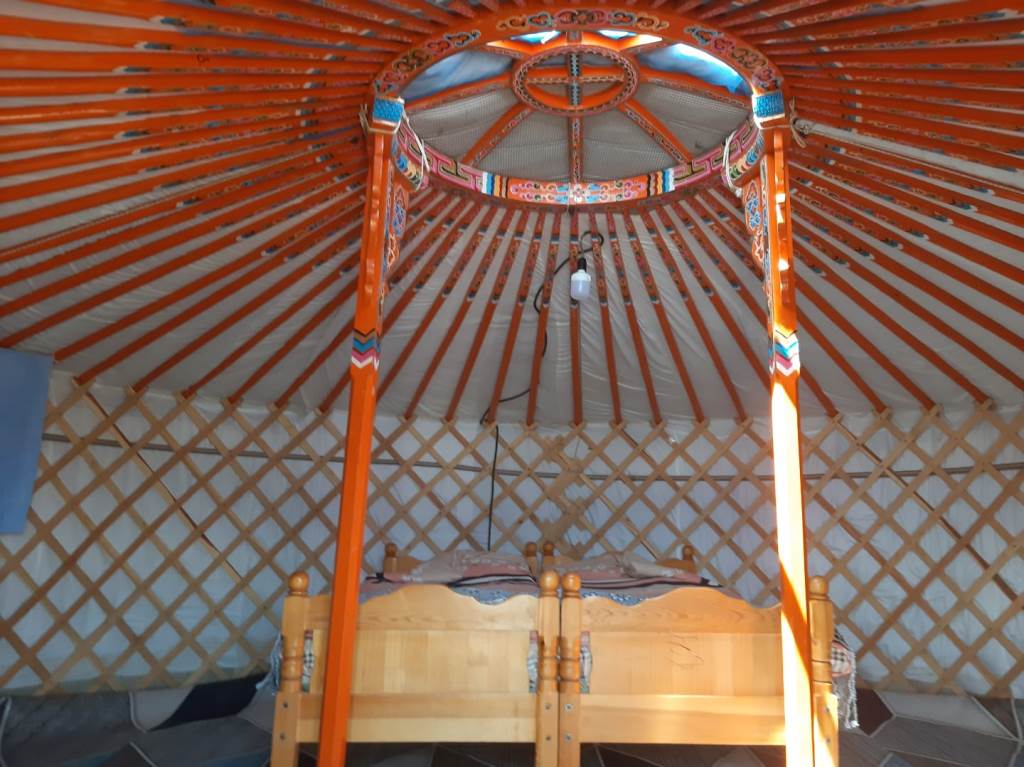 Chapter 02: Altai Peaks
Remote camp rhythm matters here. It creates the timing, quiet, and flexibility that wildlife travelers actually care about once they reach the Altai.
Route
From the first camp on the steppe to final wildlife windows in the Altai, each leg has a clear role in the experience.
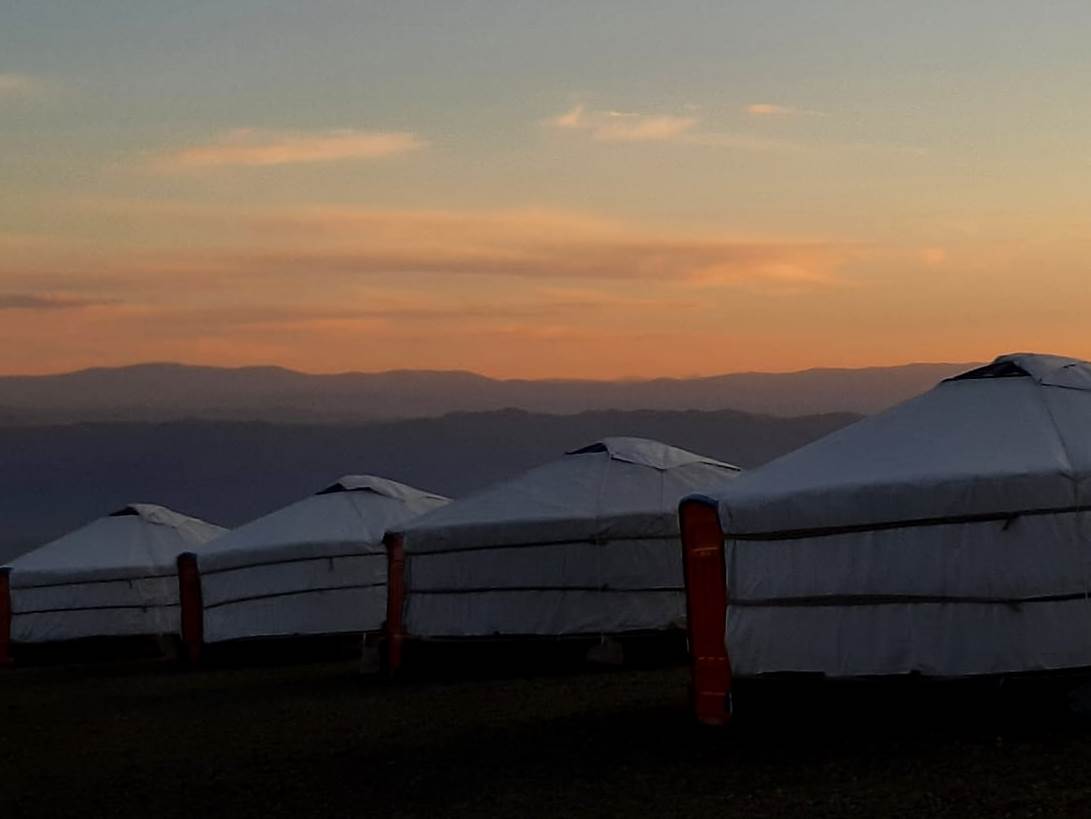
Snapshot
The route keeps enough structure for confidence while leaving breathing room for sightings, weather shifts, and field decisions that make the trip feel alive.
Style
Premium expeditionary travel
Ideal inquiry
Travelers ready for a planning call
Days 1-3
Soft landing, regional transfer, and the first run of camp-based wildlife drives and local host visits.
Days 4-7
Higher elevation days focused on quiet observation, ridge movement, and first-light scouting with local trackers.
Days 8-10
This is where the trip earns its reputation: longer wildlife windows, quieter pacing, and enough flexibility to stay with the landscape when it matters.
Days 11-12
A softer finish with one last wildlife window, return transit, and a clean handoff into onward travel.
Impact
Small groups and local partnerships help protect fragile wildlife habitat while keeping the field experience quieter and more respectful.
Trackers, naturalists, and camp crews shape the route on the ground, which changes the quality of every wildlife window.
With a maximum of eight travelers, the expedition keeps camps calm, sightings less intrusive, and every decision more personal.

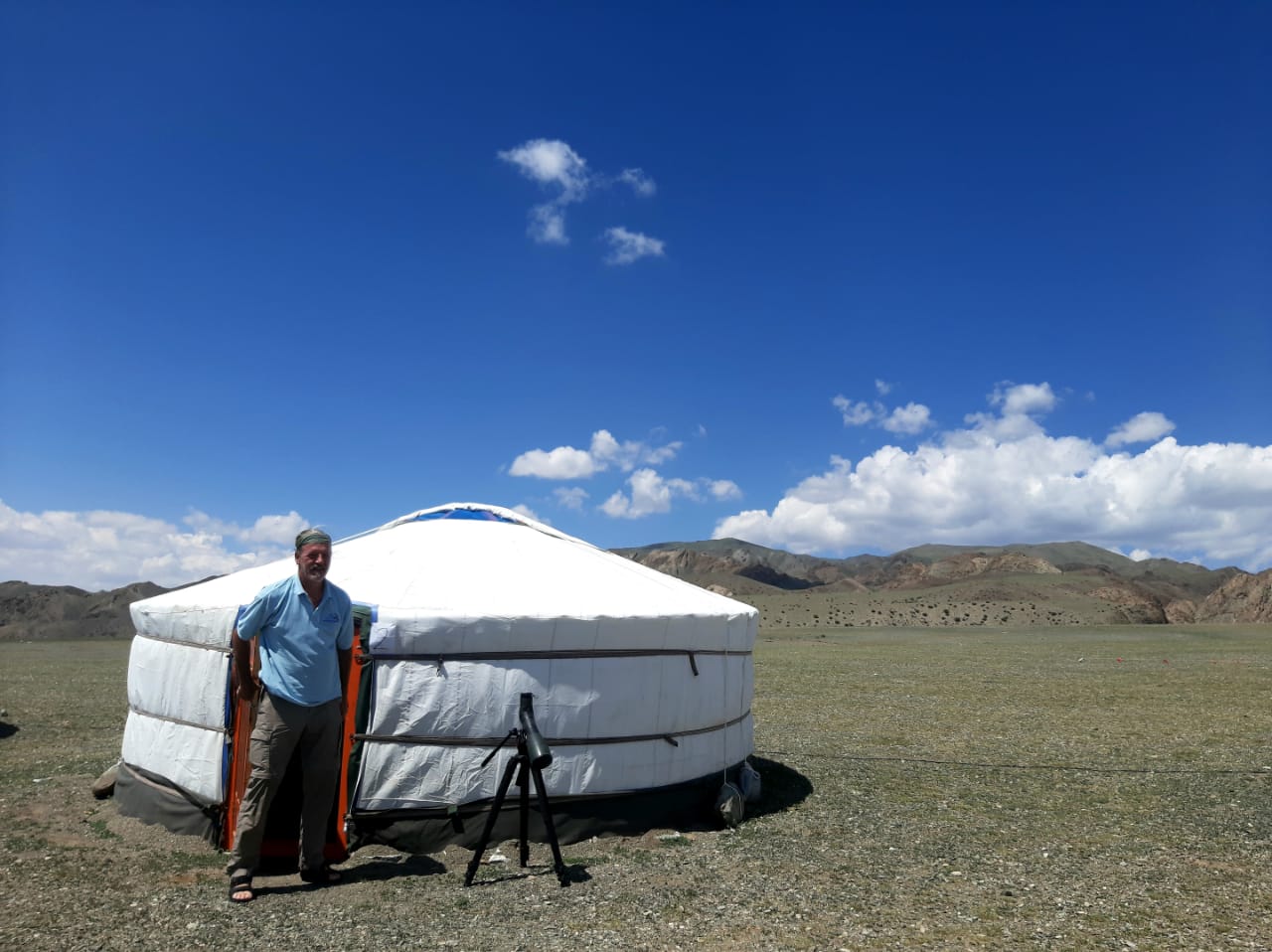

Why Travelers Choose This Expedition
The value here is in the route design, field time, and camp rhythm, not generic review copy.
With a maximum of eight guests, camps stay quieter, wildlife viewing stays less intrusive, and the route can adapt more easily to what is happening on the ground.
Trackers, naturalists, and camp crews shape the daily rhythm around weather, terrain, and wildlife windows, which matters more than a rigid day-by-day brochure schedule.
The expedition is built to balance long wildlife days with practical comfort, clear planning, and enough breathing room for the trip to feel immersive rather than rushed.
FAQ
A premium expedition sells better when the basics are clear: fit, timing, pace, and what happens next.
Expect active travel days, uneven terrain, early starts, and long scenic drives, but not a nonstop expedition race. The trip is designed for capable, curious travelers rather than elite trekkers.
Months in the second half of 2026 offer cooler temperatures, stronger wildlife tracking conditions, and the quieter atmosphere most guests are looking for.
It is best for birders, wildlife photographers, and small private groups who want fewer handoffs, smaller camps, and more time in the field.
Share your dates, party size, and travel goals so the first planning conversation starts with the right departure and camp style in mind.
Inquire
Tell us what you are comparing and we can help match you to the right travel window, group format, and expedition pace.
Best for
Travelers comparing dates, rooming, or private departure options.
First response
A faster planning conversation with the right trip context already in place.
Planning angle
We start with the trip window, wildlife priorities, and rooming assumptions so the first reply is useful, not generic.